
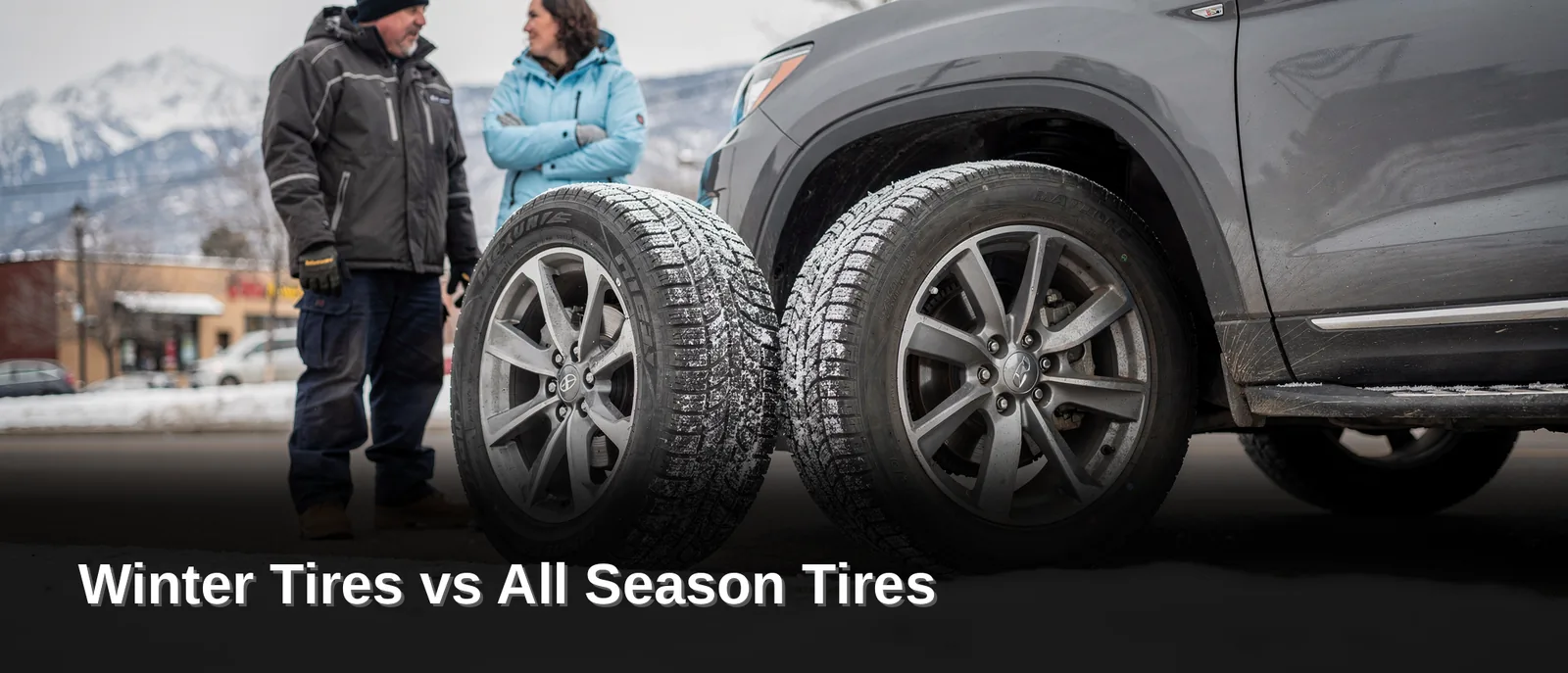
Why does Colorado Springs need special tires, Winter Tires vs All Season Tires
Winter tires outperform all-season tires on Colorado Springs snow and ice, with specialized rubber that stays flexible below 45°F. All-season tires handle light snow but lose grip on packed ice and mountain passes. Stehlik Service and Tire recommends winter tires for drivers commuting I-25 or heading into the foothills during colder months.
Key Takeaways
- Winter tires stay flexible below 45°F while all-season rubber stiffens and loses grip in cold weather.
- Colorado traction law requires tires with the three-peak mountain snowflake symbol or 3/16 inch minimum tread depth.
- All-season tires compromise maximum snow performance for year-round versatility, becoming a liability during severe winter weather.
- Late October or early November marks the practical window to switch to winter tires in Colorado Springs.
Why does Colorado Springs need special tires?
Colorado Springs demands tires that handle rapid weather shifts and varied terrain. A single winter day can swing from dry pavement to packed snow and ice, making tire choice a direct safety factor.
Drivers across the Pikes Peak region face conditions that punish the wrong rubber compound. All-season tires use harder rubber that stiffens and loses grip as temperatures drop. That hardening reduces traction precisely when roads turn slick. Winter tires solve this with softer compounds that stay pliable in freezing weather. The flexible tread conforms to icy surfaces and bites into snow instead of sliding across it.
What happens to all-season tires in Colorado cold?
All-season tires become hard and brittle in low temperatures. The compound that delivers long wear on warm pavement turns rigid when the mercury falls. Rigid rubber cannot grip snow or ice effectively. Stopping distances stretch out and cornering confidence disappears.
How do winter tires improve safety on local roads?
Winter tires maintain flexibility when temperatures plunge. Softer rubber compounds grip cold pavement, packed snow, and ice with far more tenacity. The tread patterns also channel slush away from the contact patch. For Colorado Springs commuters navigating I-25 or winding neighborhood streets, that grip translates to shorter braking and more predictable handling.
Stehlik Service and Tire is a family-owned auto repair and tire shop serving Colorado Springs and Fountain. For drivers searching for the Best Tire Shop in Colorado Springs, the team helps make seasonal tire decisions easier by explaining the differences between winter tires and all-season tires based on local weather, driving habits, and road conditions. Knowing when to install winter tires is essential, as waiting until the first heavy snowfall can mean longer appointment wait times. Drivers should also understand Colorado’s traction laws, particularly when traveling on I-70 into the mountains, where chains or approved traction equipment may be required during active restrictions. A reliable tire shop can inspect tread depth, assess tire condition, and help prepare your vehicle for winter driving. If you’re looking for snow tires in Colorado Springs, choosing the right set before temperatures drop can help improve traction, handling, and confidence on snowy and icy roads.
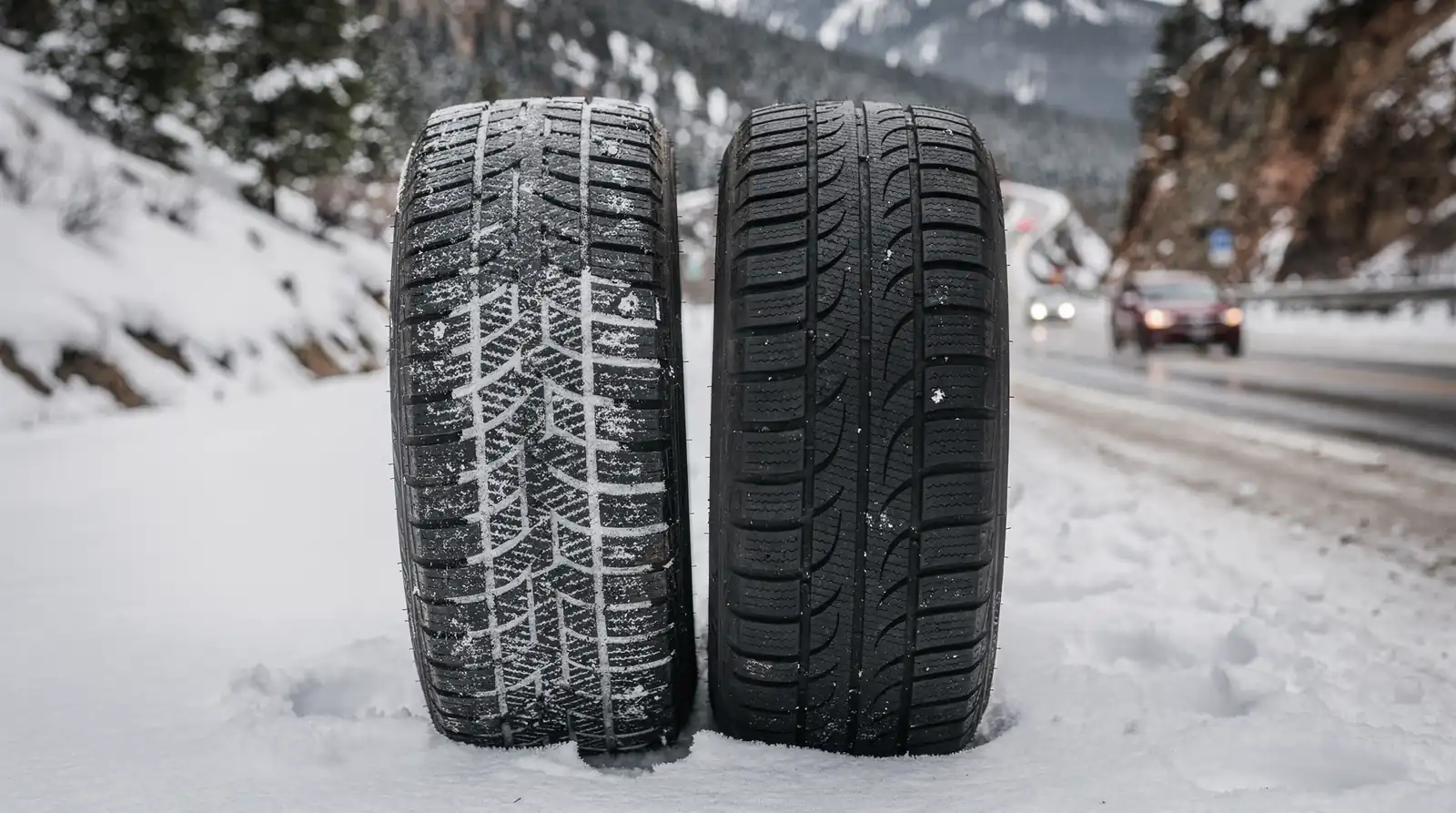
What does Colorado traction law require?
Colorado’s traction law mandates specific equipment when winter conditions hit designated highways. Vehicles must carry chains, alternative traction devices, or have tires rated for severe snow. The law activates during storms on I-70 and other mountain corridors. Colorado Springs drivers encounter enforcement on local passes and steep grades too.
Colorado traction law tires must meet one of two standards. Tires need either the three-peak mountain snowflake (3PMSF) symbol or a minimum tread depth of 3/16 inch. Standard all-season tires rarely carry the 3PMSF rating. All-season tires are designed to offer a combination of benefits from summer and winter tires, which means they compromise maximum snow performance for year-round versatility. That compromise becomes a liability when the traction law activates.
What happens if tires don’t meet the traction law?
Drivers face fines and potential liability if their vehicle blocks a roadway during an active traction restriction. More critically, inadequate tires increase stopping distances on packed snow and ice. A vehicle without proper winter-rated tires loses grip precisely when control matters most.
Which tires satisfy Colorado’s traction requirements?
Dedicated winter tires with the 3PMSF symbol meet the standard. All-weather tires carrying the same symbol also qualify. Standard all-season tires without the mountain snowflake designation do not satisfy the law during severe winter weather events. The distinction matters for Colorado Springs motorists who commute on I-25 or head west toward the mountains.
Stehlik Service and Tire helps drivers navigate these requirements with free inspections. The team focuses on safety and fairness, encouraging second opinions so customers make confident decisions. As an authorized Goodyear facility and G3X retailer, the company stocks a broad selection of major tire brands, including winter-rated options that comply with Colorado law.
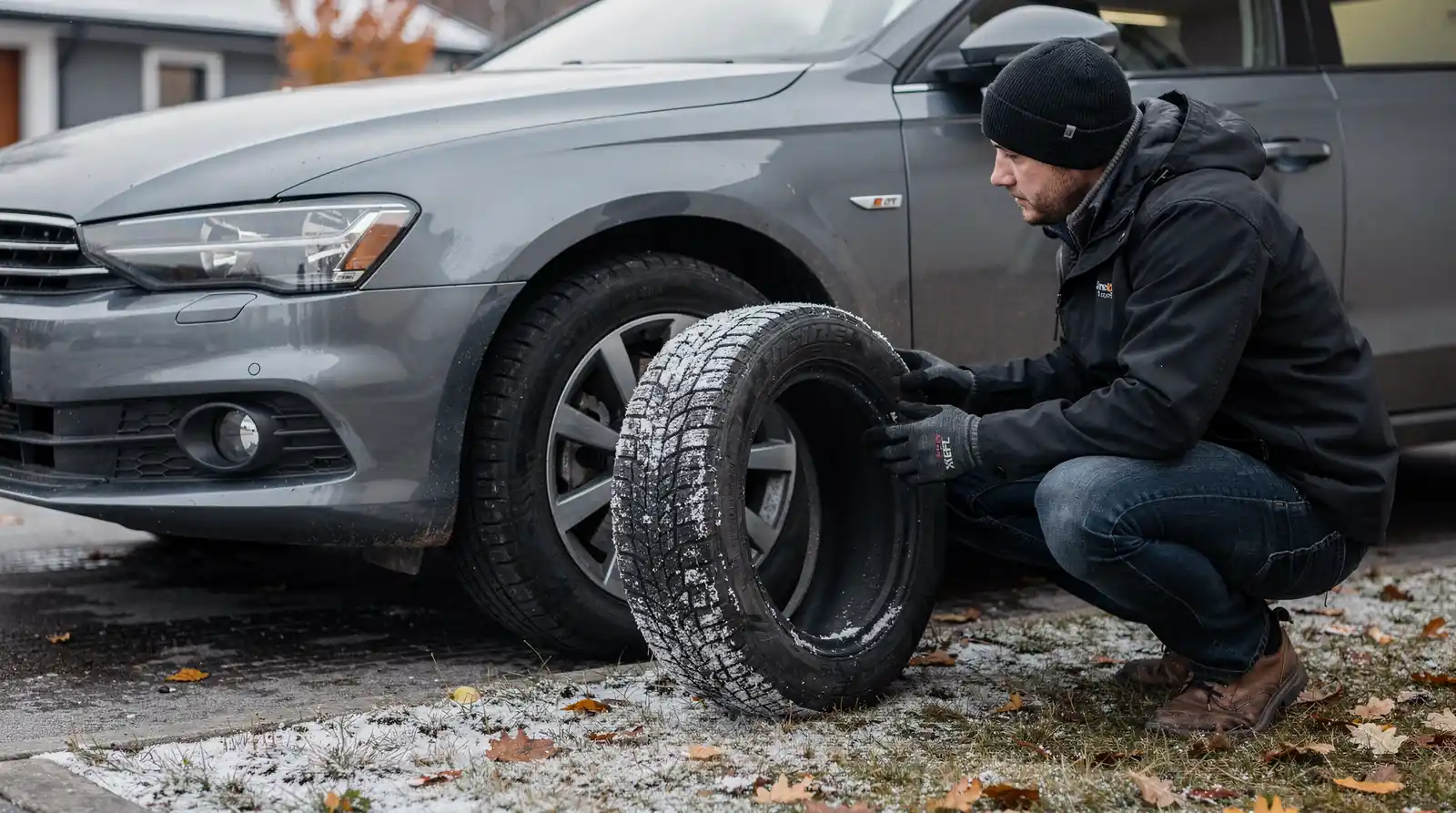
When should you put on winter tires in Colorado Springs
When should you put on winter tires?
The right time to install winter tires vs all season tires hinges on temperature, not the calendar. Winter tires should go on when temperatures consistently fall below 45°F. All-season rubber compounds harden in cold weather, reducing grip when drivers need it most.
In Colorado Springs, late October or early November marks the practical switch window. Snow arrives earlier than expected at elevation. Front Range drivers know how fast conditions shift once autumn fades. Waiting for the first storm risks getting caught on cold pavement with tires that cannot flex properly.
What temperature triggers the switch to winter tires?
The 45°F threshold is the critical marker. Winter tires use softer rubber compounds that remain flexible in lower temperatures. All-season tires lose that flexibility, compromising braking and cornering performance on dry cold roads, not just snowy ones.
Should mountain commuters switch earlier than city drivers?
Yes. Drivers commuting through mountain passes or heading into the Rockies need winter tires sooner than those staying on Front Range roads. Higher elevations see freezing temperatures and snowfall weeks before Colorado Springs neighborhoods do. The Colorado traction law tires requirements reinforce this urgency for mountain travel corridors.
Stehlik Service and Tire provides comprehensive tire installation and alignment services for all makes and models. Scheduling the changeover before late October helps drivers avoid the seasonal rush and ensures safe travel when temperatures drop.
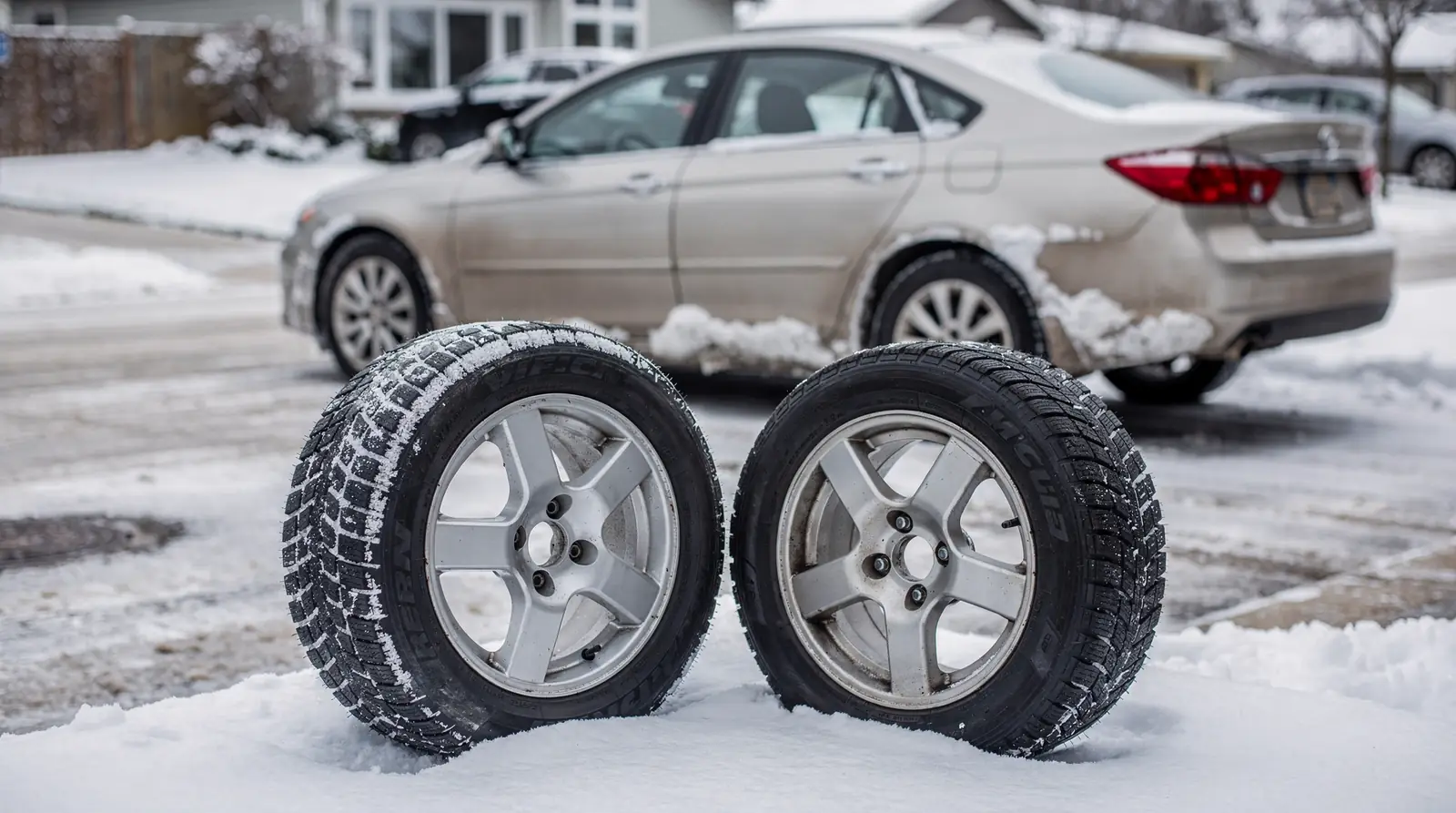
Are snow tires worth it for local driving in Colorado Springs
Are snow tires worth it for local driving?
The answer depends on where local driving happens. For Colorado Springs motorists who stick to plowed city streets, high-quality all-season tires with sufficient tread depth handle most winter conditions. Drivers who face unplowed neighborhoods or sudden Front Range storms gain a measurable safety edge from dedicated winter tires.
All-season tires work across dry roads, wet pavement, and light snow. The design philosophy centers on year-round usability, which means the rubber compound stays effective across a wide temperature range. That versatility comes with a trade-off. All-season tires sacrifice some maximum winter and summer performance to deliver good tread life and consistent handling in moderate conditions.
Winter tires use a different rubber compound altogether. The softer formulation stays pliable when temperatures drop, gripping snow and ice more effectively than all-season rubber. Braking distances shorten. Cornering becomes more predictable. During a Colorado Springs winter storm, those differences translate directly into accident avoidance.
How do all-season tires perform in Colorado Springs winters?
All-season tires remain suitable for drivers who rarely leave maintained roads. The city’s snowplow fleet clears major routes quickly, reducing the frequency of deep-snow driving. A set of all-season tires with healthy tread depth meets the needs of many commuters.
What makes winter tires safer for local streets?
Winter tires deliver superior braking and handling on snow and ice. The specialized rubber compound grips cold pavement that hardens all-season tread. For neighborhoods where plows arrive late or for drivers navigating steep local grades, that extra traction prevents slides and reduces stopping distance.
Stehlik Service and Tire employs ASE Certified technicians who assess tread depth, rubber condition, and driving patterns before recommending a tire type. The tire shop Colorado Springs drivers trust provides straightforward guidance without pushing unnecessary upgrades. A quick inspection clarifies whether all-season tires still have enough tread for another winter or whether a dedicated winter set makes sense for a specific commute.
Where can you get expert tire advice locally?
Drivers in Colorado Springs find reliable tire guidance at Stehlik Service and Tire. The company operates a full-service location at 2410 N Powers Blvd. ASE-certified technicians evaluate vehicles and recommend only necessary work. Free inspections and second opinions give customers confidence before committing to a tire purchase.
What makes a tire consultation trustworthy?
Trust comes from clear communication and honest recommendations. The team at Stehlik Service and Tire explains findings in plain language. Customers never face pressure to buy services their vehicles do not need. This commitment to treating drivers fairly has earned the shop a five-star reputation across the Pikes Peak region.
Can financing help with tire purchases?
Budget concerns should not delay essential tire replacements. Financing options through Koalafi and Goodyear help customers manage the cost of new tires. Spreading payments over time keeps vehicles safe without straining household finances. The shop walks every customer through available plans before any work begins.
Stehlik Service and Tire serves as an authorized Goodyear facility and G3X retailer. The inventory includes major tire brands suited for Colorado’s variable road conditions. Technicians match tire compounds and tread patterns to each driver’s commute, whether that involves I-25 traffic or mountain pass travel. A second location at 111 N Santa Fe Ave in Fountain extends the same expert service to southern El Paso County residents.
FAQ
When should I switch to winter tires in Colorado Springs?
Switch once temperatures consistently drop below 45°F, which typically happens in Colorado Springs by late October or early November. Waiting for the season’s first snowfall often means competing for installation appointments while already driving on all-season rubber that has started to stiffen in the cold.
Do I need snow tires in Colorado Springs?
It depends on where you drive. Drivers who stay on plowed city streets can often manage winter with quality all-season tires that have adequate tread depth. Those who travel unplowed neighborhoods, mountain passes, or steep local grades see a measurable safety benefit from dedicated winter tires, particularly given how quickly Front Range weather can turn.
What does Colorado’s traction law require for tires?
Colorado’s traction law requires tires with the three-peak mountain snowflake (3PMSF) symbol or a minimum tread depth of 3/16 inch during active conditions on designated highways such as I-70. Standard all-season tires without the 3PMSF rating generally do not satisfy the law during severe winter weather.
What’s the difference between all-weather tires and winter tires?
All-weather tires carry the 3PMSF symbol and meet Colorado’s traction law year-round, but their rubber compound isn’t as soft as a dedicated winter tire’s. True winter tires use a more flexible compound and deeper tread built for sustained freezing temperatures, giving them an edge on packed snow and ice.
How do winter tires improve safety on I-25?
Winter tires stay flexible below 45°F, gripping snow and ice to deliver shorter braking distances and more predictable handling on I-25 and other Colorado Springs commuter routes. Stehlik Service and Tire’s ASE Certified technicians can assess your current tires and recommend the right setup for your specific commute.
Conclusion
Choosing between winter and all-season tires comes down to your Colorado Springs driving patterns and the temperatures you face. If your commute stays on plowed city streets, quality all-season tires with adequate tread depth serve most drivers well. For those navigating unplowed neighborhoods, mountain passes, or steep local grades, winter tires deliver measurable safety gains when temperatures drop below 45°F. Schedule a free tire inspection to assess your current tread depth and discuss which option matches your specific needs before late October arrives.
